Does 144 Hz Improve Reaction Time?
What a higher refresh rate really changes: the milliseconds you gain, why your measured reaction gets faster though your brain doesn't, and when it matters.
 Piotr Vassev··2 min read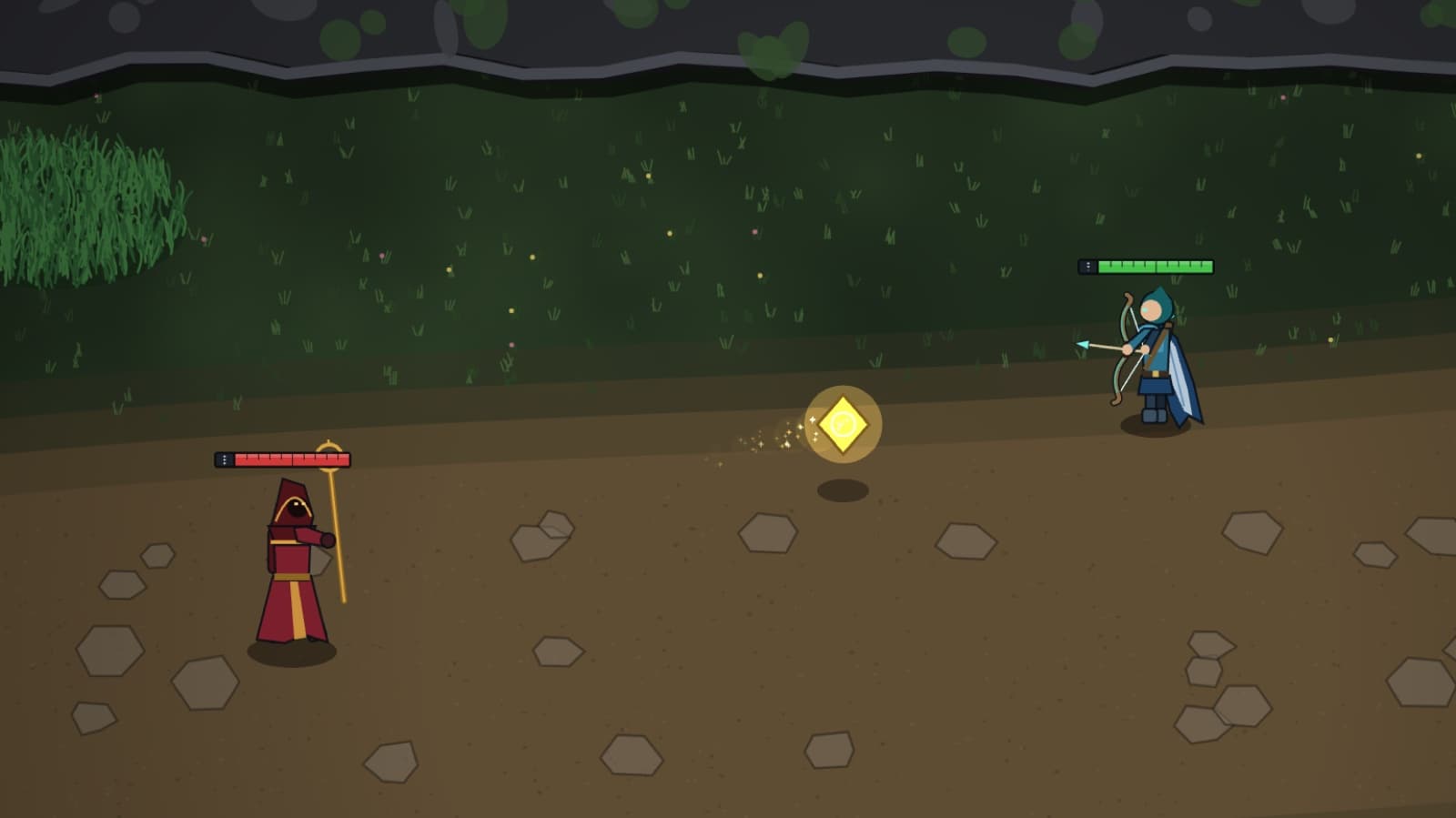
A higher refresh rate won't change your nervous system, but it shows you things sooner, and in a reaction test that counts the same as being faster.
The math of waiting for the next frame
A display only updates at fixed moments. An event that happens between refreshes waits for the next one:
| Refresh rate | Frame time | Average wait | Worst-case wait |
|---|---|---|---|
| 60 Hz | 16.7 ms | ~8.3 ms | 16.7 ms |
| 144 Hz | 6.9 ms | ~3.5 ms | 6.9 ms |
| 240 Hz | 4.2 ms | ~2.1 ms | 4.2 ms |
From 60 to 144 Hz you gain about 5 ms on average and up to ~10 ms in the worst case. From 144 to 240 Hz the extra gain is under 2 ms on average.
That's only the refresh wait. Running at a higher frame rate usually also shortens rendering and buffering, and fast monitors tend to have faster pixel response. The total gap between a basic 60 Hz setup and a tuned high-refresh setup is often a few tens of milliseconds.
Why a few milliseconds can matter
On its own, 5–20 ms sounds tiny next to a 220 ms reaction. It matters because game deadlines are tight. Take Medium mode in Flash the Engage: the enemy Flashes and its charge lands about 260–330 ms later. With a 220 ms reaction:
- At a 300 ms window you have 80 ms of margin for system delay and aiming.
- Lose 20 ms to your setup and the margin shrinks by a quarter.
At the margins, the setup decides close calls.
Smoother motion helps you read threats
Higher refresh rates also make motion clearer. Fast projectiles move in smaller steps between frames, so their direction is easier to judge. Reading direction is part of reacting; you can't dodge a hook until you know where it's going.
How our benchmarks handle refresh rate
We time your reaction from the first rendered frame that shows the threat to the timestamp of your input. That means:
- Faster refresh lets the threat appear earlier, which helps you just as it would in a game.
- Delay after the frame is rendered (scanout and panel response) still counts against you, as it does in a game.
- We detect your refresh rate and record it with your results, and attempts disturbed by frame drops over 50 ms are thrown out and repeated, so a hitch doesn't count as a slow reaction.
Should you upgrade?
- 60 → 144 Hz: yes, if you play competitively. It's the biggest jump in both latency and motion clarity.
- 144 → 240 Hz and beyond: smaller gains. Worth it for top-level play, not a fix for slow decisions.
- Free wins first: enable your monitor's high-refresh mode (many run at 60 Hz until you change it), cap frame rate sensibly, and turn on low-latency options in your game and graphics driver.
A higher refresh rate won't give you a faster brain, but it gives your brain the information sooner.
FAQ
- How many milliseconds does 144 Hz save over 60 Hz?
- From refresh timing alone, about 5 ms on average and up to roughly 10 ms in the worst case: a 60 Hz frame lasts 16.7 ms, a 144 Hz frame 6.9 ms. Higher frame rates usually cut render and buffering delay as well, so total savings are often larger.
- Does a higher refresh rate make me react faster?
- Your brain doesn't get faster, but you see events sooner and motion more clearly, so your measured and effective reaction time improves. It matters most when the time window is already tight.
- Is 240 Hz worth it over 144 Hz?
- The gain is smaller: about 1.4 ms on average from refresh timing (3.5 ms down to 2.1 ms average wait). It's real but marginal compared with the jump from 60 Hz.

Piotr Vassev
Software engineer, long-time League player and creator of mechanix.gg. Builds the frame-accurate timing and game simulations behind the benchmarks, and writes about what the numbers actually say.
Connect on LinkedInKeep reading