What Is a Good Reaction Time for Gamers?
What's an average, good and fast reaction time in games, why your score depends on your setup, and why reaction plus decision is what really counts.
 Piotr Vassev··3 min read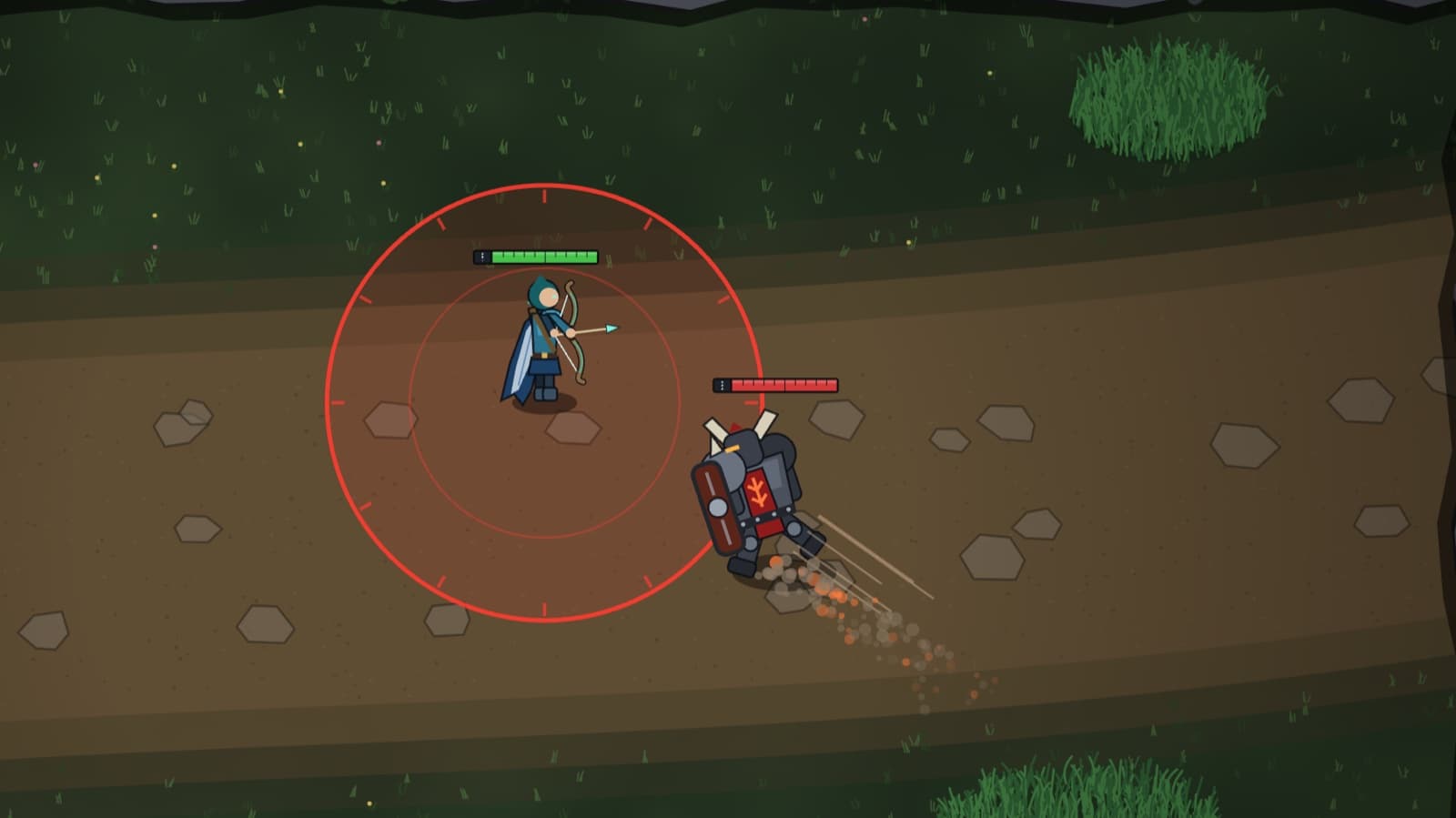
Ask ten players what a good reaction time is and you'll hear numbers from 120 to 300 ms. They're usually all quoting different tests. A useful answer depends on what you're reacting to and what you have to do about it.
The quick answer
For a simple visual cue, such as a box changing colour followed by a single click:
| Reaction time | What it means |
|---|---|
| 300 ms+ | Below average: tired, distracted or on a slow setup |
| 250–300 ms | Typical for a browser test |
| 200–250 ms | Good, and around what lab studies report for young adults |
| 170–200 ms | Fast, common among experienced competitive players |
| Under 170 ms (consistently) | Exceptional; check you aren't anticipating |
Lab measurements of simple visual reaction time tend to sit around 200–250 ms. Browser tests usually read a little slower because they include your hardware: keyboard, mouse, display and the browser itself all add delay.
Why the same player gets different numbers
Your measured reaction time is your brain plus the delay of your setup:
- Display: a 60 Hz screen shows a new image every 16.7 ms, so an event waits up to a frame to appear. Panel response and processing add more.
- Input: keyboards and mice poll on a schedule, and some add their own processing delay.
- Software: frame rate, buffering and background load all add up.
Together that's often a few tens of milliseconds, enough to move you a whole row in the table above. When you compare scores, compare like with like: same device, same test, ideally the median of several attempts rather than your single best one.
Simple reaction time isn't game reaction time
A colour-change test measures one thing: how fast you can press a button you've already decided to press. Games almost never ask that. When an enemy engages you, you must:
- Recognize the threat: which ability, from where, at what range.
- Decide on a response: Flash, walk, or use a spell, and in which direction.
- Execute it accurately: right key, right cursor position.
Psychologists have known for a long time that more possible responses mean slower reactions; this is Hick's law, where reaction time grows with the number of choices. That's why in-game reactions are slower than test reactions, and why the best players often aren't the ones with the fastest raw clicks. They've shortened the recognize and decide steps through experience.
A better question: is it fast enough?
In a real fight, reaction time only matters relative to a deadline. If an engage takes 450 ms to land, a 250 ms reaction leaves you comfortable time to Flash. If the enemy Flashes first and the engage lands 300 ms later, the same 250 ms leaves almost nothing to spare.
That's the idea behind our benchmarks. Instead of measuring a click in a vacuum, they measure whether you react in time and make the right move. In Flash the Engage, a charge lands 400–530 ms after it starts on Easy, and about 260–330 ms after the enemy's Flash on Medium.
Try it · free, in your browserFlash the EngageA juggernaut charges in. Flash out of the zone before it lands.How to read your own numbers
- Use the median, not your best run. One lucky 160 ms attempt says little; a median of 210 ms over ten attempts says a lot.
- Watch consistency. A spread of ±20 ms is excellent; ±80 ms means attention or anticipation is varying.
- Beware anticipation. Anything under ~100 ms is almost certainly a guess, not a reaction. Good tests reject those inputs rather than rewarding them.
- Look at outcomes, not just speed. A fast reaction in the wrong direction still gets you caught.
Bottom line
On a simple test, 200–250 ms is good, under 200 ms is fast, and the last few milliseconds mostly come from your setup and your focus that day. In real games, recognizing the threat and committing to the right response decides more fights than raw speed, and that part is very trainable.
FAQ
- What is an average reaction time for gamers?
- For a simple visual cue, most people land somewhere around 200–300 ms in a browser test, with lab conditions closer to 200–250 ms. Experienced gamers often sit at the faster end, but the spread between individuals is smaller than most people expect.
- Is 150 ms a good reaction time?
- On a simple 'click when it changes' test, a consistent 150 ms is exceptional and close to the human floor. On a realistic game task that also requires recognizing a threat and choosing a response, sub-200 ms is already very strong.
- Why is my reaction time slower in game than on a reaction test?
- Games add decisions. A reaction test asks one question with one answer. A game asks you to recognize which threat it is, where it's going, and which of several responses fits, and every extra choice costs time.

Piotr Vassev
Software engineer, long-time League player and creator of mechanix.gg. Builds the frame-accurate timing and game simulations behind the benchmarks, and writes about what the numbers actually say.
Connect on LinkedInKeep reading