When to Cleanse in League (and How Fast You Need to Be)
What Cleanse removes and what it can't, how it compares with Quicksilver Sash and Mercurial Scimitar, when to press it, and why you have to time it rather than react to it.
 Piotr Vassev··4 min read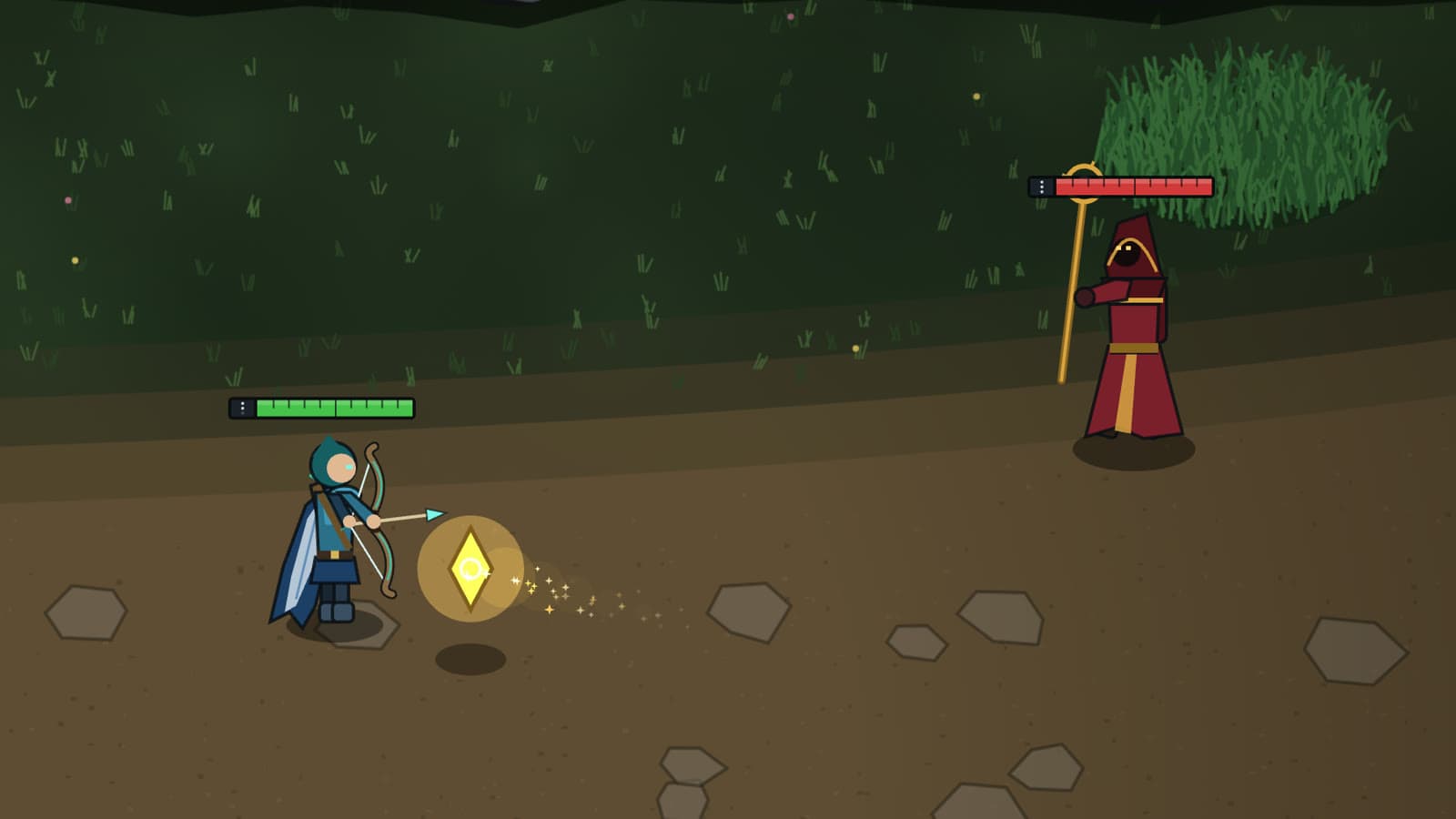
Cleanse has one job: get you out of the crowd control that would otherwise get you killed. It's on a long cooldown, so the questions are which CC to spend it on and how quickly you press it once that CC lands.
What Cleanse removes, and what it can't
At the time of writing, the League of Legends wiki lists Cleanse as removing all crowd control disables except airborne, nearsight and suppression, plus summoner spell debuffs like Ignite and Exhaust. It then grants 75% tenacity for 3 seconds. Quicksilver Sash and Mercurial Scimitar share the same active, Quicksilver, which removes all crowd control except airborne.
| Effect | Cleanse | Quicksilver (Sash / Scimitar) |
|---|---|---|
| Stun, root, slow, silence | Yes | Yes |
| Charm, taunt, flee, sleep, blind | Yes | Yes |
| Suppression | No, can't even be cast | Yes |
| Nearsight | No | Yes |
| Airborne (knock-ups, knock-backs) | No | No |
| Stasis | No | No |
| Ignite, Exhaust's damage reduction | Yes (not Ignite's Grievous Wounds) | No |
Two lines in that table cause most wasted Cleanses:
- Knock-ups can't be cleansed by either. Tenacity doesn't shorten them either. If the threat is a knock-up, your answer is positioning or Flash, not Cleanse. (We wrote about that race in how fast you need to react to Flash an engage.)
- Suppression locks Cleanse out. Summoner spells can't be activated while you're suppressed, so if the enemy's key threat is a suppression, Cleanse can't answer it. Quicksilver can.
Cleanse vs Quicksilver Sash vs Mercurial Scimitar
At the time of writing:
- Cleanse has a 240-second cooldown, costs a summoner spell slot instead of gold, and is the only one of the three that removes summoner spell debuffs like Ignite or gives tenacity afterwards.
- Quicksilver Sash costs 1,300 gold and has a 90-second cooldown. It handles suppression and nearsight, which Cleanse doesn't.
- Mercurial Scimitar builds from Quicksilver Sash. Its Quicksilver also gives a short burst of bonus movement speed (50% for 2 seconds) so you can walk away from the follow-up.
Numbers change between patches; the shape of the choice doesn't. Cleanse is free and adds tenacity, Quicksilver covers more and comes back sooner.
When to press it
- Save it for the CC that leads to your death. A slow while you're safe isn't worth four minutes of cooldown. A stun with three enemies in range is.
- Cleanse the first hard CC in a chain. The tenacity that follows shortens the next disable, so cleansing the opener is worth more than cleansing the last link.
- Don't press it early. Cleanse removes what's already on you. Pressed before the stun lands, it has nothing to remove: you get the tenacity, which shortens the stun but doesn't cancel it, and Cleanse goes on cooldown.
- Know what it can't answer. Against knock-ups, suppression or a Grievous Wounds Ignite, plan something else before the fight starts.
How fast you have to be
A stun is dangerous because of what lands during it, so the question is how much of it you can cut off.
Our Cleanse benchmark sets a strict target. A caster throws a homing sigil that always hits. Once it stuns you, you have 100 ms to press Cleanse:
- Press within 100 ms of the hit: cleansed.
- Press before the hit: too early. Your Cleanse is wasted and the stun still lands.
- No press within 100 ms: too slow.
100 ms is shorter than a visual reaction; a good simple reaction time is around 200–250 ms. You can't wait to see the stun and then respond. You have to watch the sigil come in and time your press for the impact. That's the same mix of reaction and prediction you use against skillshots, with the target reversed: you know the hit is coming and you're predicting when.
The sigil flies at a random 1,050–1,450 units per second, so you can't learn one rhythm. The modes change how much warning you get:
| Mode | What happens | Sigil flight if you stand still |
|---|---|---|
| Simple | Caster in view, 220 ms wind-up | ~340–760 ms |
| Medium | Caster Flashes in, casts 0–40 ms later | ~320–560 ms |
| Hard | Caster Flashes out of a bush, then casts | ~240–510 ms |
Your reaction time is measured from the first frame that shows you stunned to your key press. In scoring, any failed attempt, too early or too slow, counts as the full 100 ms, so spamming the key early can't buy you a fast median. The 0–1000 score is 55% median timing, 25% cleanse rate and 20% consistency.
How to get better at it
- Track the projectile, not your champion. The timing cue is the distance closing, not the stun icon.
- Rest your finger on the key. At 100 ms there's no time to move your hand.
- Use a fast display if you have one. Every frame of delay is time out of your window (how much refresh rate matters).
Bottom line
Spend Cleanse on the hard CC that starts a kill, not on the first slow, and know beforehand that it won't save you from knock-ups or suppression. When you do use it, time it to the hit: pressing early wastes it, and waiting to see the stun is already too late to cut it short.
FAQ
- What does Cleanse not remove in League?
- Cleanse doesn't remove airborne (knock-ups and knock-backs), suppression or nearsight, and it can't be activated at all while you're suppressed or in stasis. It also leaves Ignite's Grievous Wounds in place, even though it removes Ignite itself.
- Is Cleanse or Quicksilver Sash better?
- Quicksilver removes more crowd control, including suppression and nearsight, and had a 90-second cooldown at the time of writing against Cleanse's 240. Cleanse costs no gold or item slot, also removes Ignite and Exhaust, and gives you tenacity for a few seconds afterwards.
- How fast do you have to Cleanse a stun?
- As fast as the damage behind it. In our Cleanse benchmark you have 100 ms after the hit, which is faster than a visual reaction, so the only way to make it is to watch the projectile and time your press for the moment it lands.

Piotr Vassev
Software engineer, long-time League player and creator of mechanix.gg. Builds the frame-accurate timing and game simulations behind the benchmarks, and writes about what the numbers actually say.
Connect on LinkedInKeep reading