A 10-Minute Warm-Up Before Ranked: A Mechanics Routine for MOBA Players
A minute-by-minute warm-up for League and other MOBAs: practice tool first, then quick reaction drills while you queue, and what the research on warm-ups does and doesn't show.
 Piotr Vassev··5 min read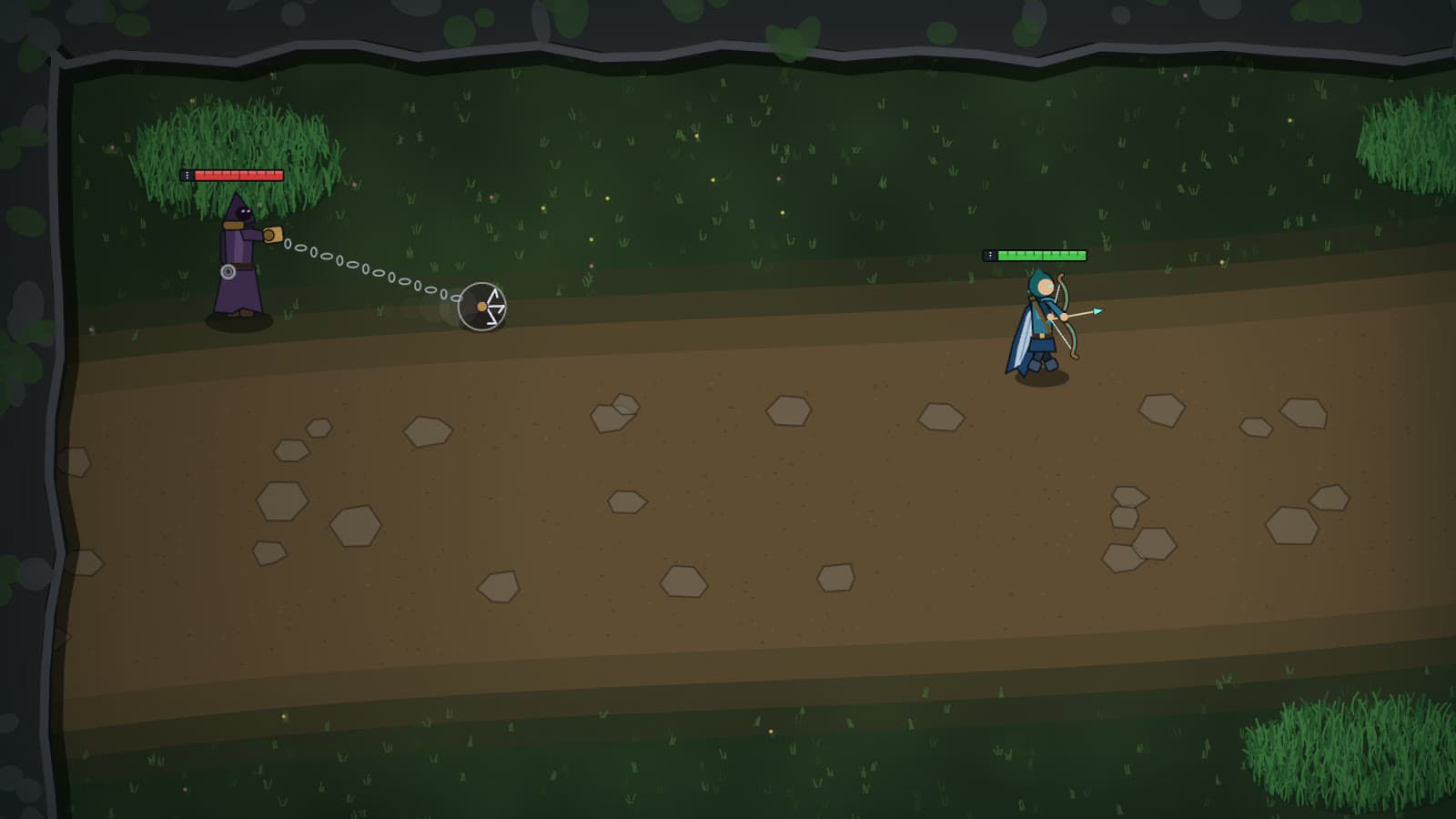
Most players warm up by queuing and treating the first ranked game as the warm-up. Here's a routine that fits in the time it takes to make a drink and wait for a queue, built so your first game isn't spent getting your hands going.
Why warm up at all
No study has tested a warm-up before a MOBA game. The best evidence comes from motor-learning research on warm-up decrement: a short-lived drop in performance after a break from a skill.
- Schmidt and Wrisberg (1971) had 34 people practise a fast right-hand movement, then take a 10-minute break. Those who just rested showed a large drop when they started again, which disappeared quickly with practice. Those who practised a similar movement task with the other hand during the break showed no drop. (abstract)
- Wrisberg and Anshel (1993) tested 65 highly skilled tennis players after a 5 or 15-minute rest. Extra rest didn't remove the drop in their groundstrokes; practice swings and air dribbling eliminated it, and running in place mostly did. The authors concluded that a warm-up should include physical activity that directs attention to task-relevant cues. (abstract)
A tennis stroke isn't a skillshot dodge, so treat this as a sensible guide rather than proof. Two lessons carry over: the dip is short, so a few minutes of practice is enough, and the closer the warm-up is to the real task, the better. That's why the routine below starts in your own client and then drills specific fight moments, rather than a generic click test.
The routine, minute by minute
| Time | What to do | What it's for |
|---|---|---|
| 0:00–1:00 | Check your display, close background apps, rest your fingers on your keys | Remove avoidable delay |
| 1:00–4:00 | Practice tool: last-hit two or three waves, auto attacks only | Attack timing and clicking on your real champion |
| 4:00–5:00 | Practice tool: your main combo and a few Flashes, then start your queue | Ability keys and Flash where your fingers expect them |
| 5:00–6:30 | Hook Dodge: one session | Right-click movement, reacting to a throw |
| 6:30–8:00 | Flash the Engage: one session | An aimed Flash against a deadline |
| 8:00–9:30 | Cleanse: one session | Timing a key press to an impact |
| 9:30–10:00 | Check your medians and pick one focus for the game | Go in with a plan, not a score |
0:00–1:00: remove friction
- Check your refresh rate. Many monitors run at 60 Hz until you change it, and a few milliseconds matter when windows are tight.
- Close what stutters. Downloads, video in another tab and overlays you don't use can all cost frames.
- Settle your hands. Fingers on the keys you'll use, at the desk and chair height you'll play at.
1:00–5:00: in your client, on your champion
Nothing is closer to the real task than your own champion, keybinds and camera, so start there.
- Last-hit two or three waves with no items and no abilities. You're syncing your clicks with your champion's attack timing. Don't chase perfect numbers; three minutes is a warm-up, not a training block.
- Cast your main combo a few times, on a target dummy if your game has one.
- Flash a few times in different directions so the key and the cursor-aim feel normal again.
Then leave the practice tool and start your queue. The rest of the routine runs while you wait.
5:00–9:30: reaction drills while you queue
Each mechanix.gg benchmark takes one moment from a fight and repeats it: 10 scored attempts per session, with a random 1.5–5 s wait before each threat so you can't learn a rhythm. A session takes a minute or two.
Hook Dodge has a single mode: a harpooner reads how you move and throws where you'll be. It's pure right-click movement, no Flash, which makes it a good first drill. When it leads you, turning back beats stopping.
Flash the Engage has Easy, Medium and Hard. Use Easy if you're new to it, and Medium once you escape most charges on Easy: the enemy Flashes first and lands about 260–330 ms later, so you have to react to the first sign and pre-aim your escape.
Cleanse has Simple, Medium and Hard. You get 100 ms after the hit, which is shorter than a visual reaction, so it's a timing drill: watch the sigil and press on impact.
For a warm-up, pick the mode you pass most of the time. Hard modes, with fog and brush, are better saved for practice days, when failing is the point. If your queue pops mid-session, accept it. The drills are there to get you ready, not to be finished.
9:30–10:00: read the result, then let it go
- Look at your median and spread, not your best attempt. Can You Train Reaction Time? explains why the median is the number to track.
- Don't chase a bad session. One session is ten attempts. Stacking extra runs to "fix" a number before ranked tends to turn a warm-up into tilt. If your medians are off for several days in a row, look at sleep, setup and focus before your hands.
- Pick one focus for the game, such as "cursor on my escape route" or "turn back against hooks". One is enough to remember under pressure.
What a warm-up won't do
- It won't make you faster than your normal. The research above is about removing a temporary dip. Raw reaction speed changes slowly; recognition and decisions are where practice makes real reactions faster.
- It fades with rest. The tennis players showed a drop after 5 to 15 minutes off. If your queue runs much longer than the routine, run one more short drill near the end of the wait rather than sitting idle.
- It isn't practice. Ten minutes gets you to your level. Improving that level takes longer, focused sessions on one situation at a time, and good positioning still decides which reactions you'll need, as covered in Reaction Time vs Prediction in League.
FAQ
- How long should you warm up before ranked?
- No study has tested the ideal warm-up length for a MOBA. Motor-learning research shows that the dip in performance after a break is short-lived and disappears quickly with practice of the task itself, so around ten minutes of focused, game-specific practice is a sensible amount rather than a proven one.
- Is a normal game a good warm-up for ranked?
- It's the closest thing to the real task, but it takes far longer than a warm-up needs to, and you can't choose which situations you practise. A short practice tool session plus a few targeted drills gets you to your normal level faster and leaves the first ranked game as your first real one.
- Does warming up improve reaction time?
- Research on warm-up decrement found that people performed a fast movement task worse after 10 minutes of rest, and that the drop disappeared quickly with practice. That points to warming up getting you back to your normal speed, not making you faster than your normal. No study has tested this before MOBA games specifically.

Piotr Vassev
Software engineer, long-time League player and creator of mechanix.gg. Builds the frame-accurate timing and game simulations behind the benchmarks, and writes about what the numbers actually say.
Connect on LinkedInKeep reading